Rajasthani Heritage Ideas for Modern Home Interiors
Explore how Rajasthani heritage, traditional furniture, jaalis, sandstone and courtyard concepts can inspire beautiful modern home interiors.
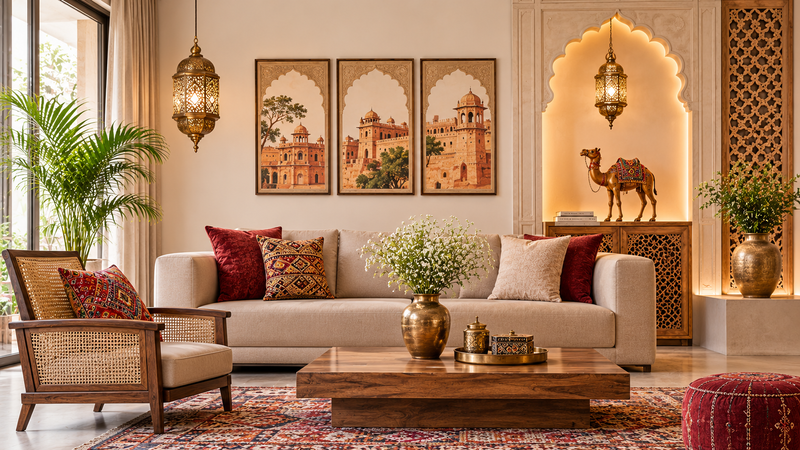
Modern home interiors are changing. Homeowners are no longer interested only in expensive furniture, decorative lighting, or fashionable wall colours. They also want homes that reflect their personality, culture, and lifestyle.
In Jodhpur, traditional architecture offers plenty of inspiration for creating unique residential interiors. From beautifully carved stone windows and decorative jaalis to traditional courtyards, sandstone walls, and handcrafted wooden furniture, Rajasthani design has many elements that can complement modern living spaces.
The interesting part is that these traditional features do not need to make a home look old-fashioned. With thoughtful planning, they can become attractive design elements while maintaining the comfort and functionality of a contemporary home.
Let's explore how traditional Rajasthani design can inspire modern interior spaces and how homeowners can use these ideas effectively.
1. Combine Traditional Patterns with Contemporary Wall Designs
Traditional Rajasthani architecture is known for its detailed patterns, geometric designs, and decorative carvings. These patterns can be adapted into modern interiors without using complicated architectural structures.
For example, homeowners can introduce traditional patterns through:
Decorative wall panels in living rooms.
Geometric wooden partitions.
Laser-cut metal screens.
Traditional-inspired wallpaper.
Carved MDF panels and decorative niches.
A patterned feature wall behind a sofa or television unit can create a strong visual identity.
The important thing is to avoid using too many decorative patterns in one room. Combining one detailed feature with simple furniture and neutral colours usually creates a more balanced appearance.
2. Use Indoor-Outdoor Design to Bring Nature Inside
Traditional homes often maintain a strong connection between indoor and outdoor spaces. Courtyards, balconies, verandas, and open terraces help bring natural elements into everyday living.
Modern homes can follow the same idea through thoughtful space planning.
Some practical ways to create this connection include:
Installing large windows to introduce daylight.
Connecting living rooms with balconies.
Adding indoor plants near natural light sources.
Using sliding glass doors for visual openness.
Creating small green corners in unused spaces.
This approach can make compact homes feel more spacious and welcoming.
For Jodhpur homes, designers should also consider heat gain, sun exposure, shading, and suitable ventilation while planning these spaces.
3. Introduce Traditional Rajasthani Furniture in Modern Rooms
Furniture can completely change the character of an interior. Traditional Rajasthani furniture often features carved wood, handcrafted details, decorative finishes, and distinctive shapes.
Instead of filling an entire room with traditional furniture, homeowners can select a few statement pieces.
Consider these ideas:
A handcrafted wooden coffee table.
A traditional carved wooden cabinet.
Decorative wooden chairs with contemporary cushions.
A heritage-inspired console table.
Handcrafted wooden headboards for bedrooms.
For example, a traditional wooden coffee table can look beautiful alongside a modern sofa, neutral rug, and minimal wall decoration.
This combination creates a balanced interior where traditional craftsmanship becomes a highlight rather than overwhelming the space.
4. Create a Modern Dining Area Inspired by Traditional Courtyards
In traditional Rajasthani homes, courtyards often served as important gathering spaces for families.
Modern dining areas can take inspiration from this social concept. Instead of treating the dining room as just a place to eat, designers can make it a comfortable space for family interaction.
Some design ideas include:
Using a wooden dining table with simple chairs.
Adding a decorative jaali partition.
Introducing warm pendant lighting.
Using natural stone or textured wall finishes.
Including indoor plants and handcrafted accessories.
A well-designed dining space should provide comfortable movement, suitable lighting, and enough seating without feeling crowded.
5. Use Traditional Lighting Ideas with Modern Fixtures
Lighting is one of the most important parts of interior design because it influences the mood, appearance, and usability of a room.
Traditional Rajasthani interiors offer inspiration through decorative lanterns, brass fixtures, handcrafted lamps, and warm lighting arrangements.
Modern homes can adapt these ideas through:
Brass pendant lights above dining tables.
Decorative lanterns in entrance areas.
Warm LED lighting around wall niches.
Traditional-inspired bedside lamps.
Accent lighting for jaali partitions.
A combination of ambient, task, and accent lighting can make a room more comfortable and visually attractive.
For example, a decorative pendant light can become the focal point of a dining area while recessed ceiling lights provide general illumination.
6. Make Small Homes Look Spacious with Traditional Design Principles
Not every home in Jodhpur has enough space for a large courtyard or elaborate traditional architectural features. However, even small apartments can incorporate heritage-inspired design.
The trick is to use traditional elements in a space-efficient way.
Here are some useful ideas:
Use lightweight partitions: A slim jaali screen can separate two areas without creating a completely closed room.
Choose lighter colours: Cream, beige, off-white, and soft sandstone shades can make small rooms feel brighter.
Add vertical storage: Wall-mounted shelves and compact cabinets help maintain usable floor space.
Use decorative niches: Small wall niches can display traditional accessories without requiring additional furniture.
Avoid heavy decoration: A few carefully selected heritage-inspired elements can create a stronger effect than excessive ornamentation.
Good interior design is not about adding more features. It is about using available space intelligently.
7. Combine Local Materials with Modern Finishing Techniques
Material selection plays a major role in creating attractive and durable interiors.
Jodhpur's architectural heritage offers inspiration through sandstone, natural stone, wood, and handcrafted finishes. These materials can be combined with modern surfaces to create interesting design combinations.
Some examples include:
Sandstone accent walls with contemporary furniture.
Wooden panels with neutral wall finishes.
Natural stone flooring with modern lighting.
Textured plaster walls with minimalist decoration.
Handcrafted decorative elements with modern cabinetry.
Before selecting materials, designers should consider maintenance requirements, durability, budget, climate, and the purpose of each space.
The right material combination can create a home that feels connected to local culture while meeting modern lifestyle requirements.
8. Why Is Cultural Understanding Important in Interior Design?
Interior design is not simply about making a room attractive. It also involves understanding how people live, what they need, and how their surroundings influence their daily activities.
Cultural understanding helps designers create spaces that have meaning and character.
For example, a designer working on a Jodhpur residence may consider:
Traditional architectural patterns.
Local materials and craftsmanship.
Family gathering requirements.
Climate-responsive planning.
Cultural preferences in colours and decoration.
Modern storage and functional requirements.
These considerations can help create interiors that are more relevant to the people using them.
Students studying at an interior design institute in jodhpur can benefit from observing local architecture and understanding how traditional design concepts can be applied to contemporary residential projects.
9. How Can Interior Design Students Turn Traditional Inspiration into Practical Projects?
Traditional architecture can provide excellent project ideas for students who want to develop their interior design skills.
Instead of studying design concepts only through books, students can explore real architectural examples and convert their observations into practical design projects.
Some useful project ideas include:
Traditional-modern living room: Design a contemporary living room featuring a jaali partition and sandstone accent wall.
Courtyard-inspired residence: Develop a residential layout that connects indoor spaces with a small landscaped courtyard.
Heritage-inspired bedroom: Create a bedroom using handcrafted wooden furniture, warm lighting, and earthy colours.
Modern dining space: Plan a dining area inspired by traditional Rajasthani gathering spaces.
Compact apartment design: Use traditional patterns and modern space-saving furniture to design a functional small apartment.
Students exploring an Interior Design Course in Jodhpur can develop an understanding of residential planning, furniture layouts, material selection, colour theory, lighting, and 2D and 3D visualisation.
Practical interior design classes in jodhpur can also help learners understand how to convert creative ideas into professional design presentations.
For students looking for structured professional training, an interior design diploma in Jodhpur can be another option to explore when developing foundational and practical design knowledge.
10. What Should Homeowners Consider Before Choosing Heritage-Inspired Interiors?
Before introducing traditional design elements into a modern home, homeowners should consider a few important factors.
Available space: Select design features according to room dimensions and layout.
Natural lighting: Understand how windows, partitions, and screens affect daylight.
Climate: Choose suitable materials and shading solutions for local weather conditions.
Maintenance: Consider the cleaning and maintenance needs of carved surfaces and natural materials.
Budget: Decide which features deserve investment and where simpler alternatives can work.
Lifestyle: Make sure the design supports everyday activities and family requirements.
A successful interior should look beautiful while remaining comfortable and practical.
Conclusion
Rajasthani heritage offers many creative opportunities for modern home interiors. Traditional patterns, carved wooden furniture, jaali screens, courtyard-inspired layouts, sandstone finishes, and handcrafted lighting can all bring a distinctive character to contemporary homes.
The secret is to use these elements thoughtfully rather than copying traditional architecture completely. A balanced combination of heritage-inspired details, modern furniture, functional layouts, and suitable materials can create interiors that feel both timeless and comfortable.
For aspiring designers, Jodhpur's architectural heritage is also a valuable source of inspiration. Learning how to transform traditional design ideas into practical residential solutions can help develop creativity and professional design skills.
An Interior Design Course in Jodhpur can help students begin exploring these concepts while building knowledge of modern interior planning and design techniques.
Comments
No comments yet. Be the first to comment!