Jewellery Design Course in Jodhpur | Diploma & Career
Explore a jewellery design course in Jodhpur, compare diploma options, find the right institute, learn essential design skills and discover career opportunities.
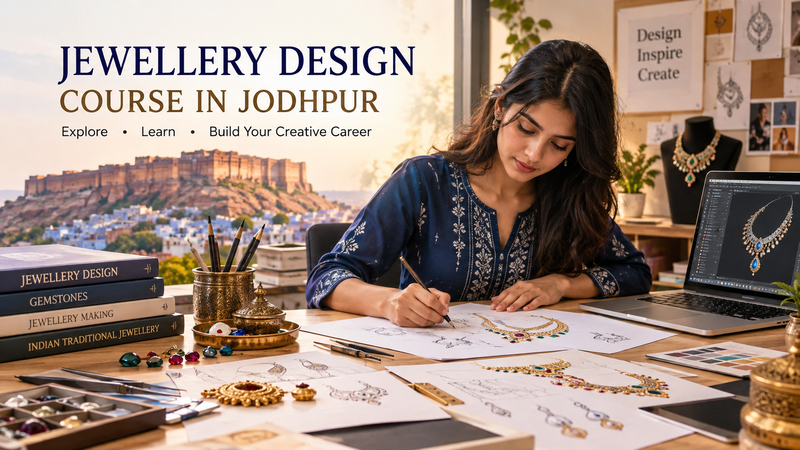
Jewellery designing is a creative profession that combines artistic expression, fashion awareness, technical knowledge, and craftsmanship. From elegant gold necklaces and gemstone rings to modern everyday accessories, jewellery designers transform ideas into products that reflect different styles and preferences. For students who enjoy creativity and detailed design work, choosing a jewellery design course in Jodhpur can be a practical starting point for exploring this field.
Jodhpur is known for its cultural heritage, traditional art, and distinctive design influences. These elements can provide inspiration for aspiring jewellery designers who want to explore both traditional Indian ornaments and contemporary jewellery collections. With suitable training, students can learn how to develop original concepts, understand jewellery materials, and present their designs professionally.
Inframe School offers a creative learning environment for people exploring design education. If jewellery designing matches your interests, understanding the available course options, curriculum, and practical learning opportunities can help you plan your next step.
Why Is Jewellery Designing a Promising Creative Field?
Jewellery is more than an accessory. It can represent personal style, cultural traditions, special occasions, and individual expression. Designers contribute to this industry by developing new concepts that balance appearance, usability, materials, and customer preferences.
Enrolling in a jewellery design course in Jodhpur can help you explore how design ideas become finished products. Instead of relying only on inspiration, structured learning helps you understand the principles and techniques behind jewellery creation.
Some important areas you may explore include:
Jewellery drawing and design illustration.
Creative thinking and concept development.
Colour theory, shapes, textures, and proportions.
Gemstones, precious metals, and jewellery materials.
Traditional Indian jewellery and modern fashion trends.
Jewellery collection planning and presentation.
Computer-aided design (CAD), depending on the syllabus.
Portfolio preparation and professional design communication.
These skills can help beginners develop a stronger understanding of the jewellery design process and identify the areas they want to specialise in.
How to Select the Right Jewellery Design Institute in Jodhpur
Choosing the right institute is an important decision because the learning experience can influence your skills, confidence, and future opportunities. When comparing a jewellery design institute in Jodhpur, look beyond promotional claims and focus on the quality and relevance of its training.
Check the Course Curriculum
A well-structured curriculum should match your learning goals and current experience. Beginners may benefit from fundamental design principles and sketching, while students interested in digital jewellery creation may want to explore CAD tools and 3D modelling.
Ask the institute for a detailed syllabus before enrolling. Check which subjects are included, how much practical work is involved, and whether the programme covers the specific skills you want to learn.
Look for Practical Assignments
Jewellery design involves applying ideas to real design challenges. Practical assignments allow students to practise drawing, experiment with shapes and patterns, and improve their understanding of product details.
For example, a student might develop a pendant inspired by Rajasthani architecture or create a coordinated earring and necklace collection for a festive occasion.
Such projects can help learners connect creative inspiration with design principles.
Understand Faculty Guidance
Instructor feedback can help students identify weaknesses in their work and improve their approach to design. When researching an institute, ask about the experience of its faculty, the level of individual guidance available, and how student projects are evaluated.
Review Portfolio Development
A portfolio showcases your ability to develop and present design ideas. It may include initial sketches, concept research, colour studies, final illustrations, and digital models.
An institute that encourages students to document their projects can help them prepare work that demonstrates their creative process and developing skills.
Jewellery Design Diploma in Jodhpur: What Should You Know?
A jewellery design diploma in Jodhpur may suit learners who want focused training in jewellery design without necessarily pursuing a longer degree programme.
Diploma courses can vary in duration, eligibility, teaching methods, and subject coverage. Some focus on fundamental jewellery illustration, while others may include advanced design techniques or computer-aided jewellery modelling.
Before selecting a diploma, consider the following factors.
Course duration: Confirm how long the programme lasts and whether the schedule suits your availability.
Eligibility requirements: Check the minimum educational qualification and any other admission criteria.
Practical training: Understand whether the programme includes assignments, design projects, and opportunities to develop original collections.
Software training: If you are interested in digital jewellery design, verify which CAD applications and modelling techniques are taught.
Certification: Ask which certificate or qualification you will receive after successfully completing the programme.
Career support: Find out whether the institute provides portfolio guidance, internship assistance, or placement support, and understand the specific terms.
Comparing these details can help you choose a programme that fits your goals instead of selecting a course based only on its title.
What Skills Are Important for Aspiring Jewellery Designers?
You do not necessarily need advanced drawing skills to begin learning jewellery design. Many creative skills can be developed through consistent practice, feedback, and structured training.
Creative Observation
Designers often find inspiration in architecture, nature, traditional patterns, textiles, and everyday objects. Observing these details can help you generate fresh ideas and develop distinctive jewellery concepts.
Drawing and Visualisation
Sketching helps communicate a design before it is manufactured. Learning to represent proportions, curves, settings, and decorative elements can make your concepts easier to understand.
Attention to Detail
Small elements can significantly influence the appearance of jewellery. Stone placement, symmetry, proportions, finishing, and the relationship between different components all deserve careful consideration.
Knowledge of Materials
Understanding metals, gemstones, pearls, beads, and alternative materials helps designers consider the appearance and practical requirements of their creations.
Digital Design Skills
Computer-aided jewellery design can be valuable for learners interested in creating precise digital models. Depending on the role, employers may expect familiarity with particular software, technical drawings, and manufacturing processes.
A suitable learning programme can help you strengthen these skills gradually and understand which areas best match your interests.
How to Find a Jewellery Design Institute Near Me
Searching for a jewellery design institute near me is a convenient way to discover training options in Jodhpur. However, location is only one part of the decision. The course content, teaching quality, facilities, and opportunities for practical learning should also influence your choice.
Use these steps to compare institutes effectively.
Search local options: Explore institutes in Jodhpur that offer jewellery design or related creative courses.
Compare the syllabus: Look for subjects relevant to your interests, such as jewellery illustration, material studies, product development, or CAD.
Ask about practical work: Find out whether students complete individual projects and develop a portfolio.
Check the learning format: Confirm whether classes are offline, online, or offered through a blended format.
Understand the total cost: Ask about tuition fees, course materials, software requirements, and other potential expenses.
Verify course details: Confirm duration, eligibility, certification, and available student support before making a decision.
Visiting the campus or speaking directly with the admissions team can help you understand whether the learning environment suits your expectations.
Career Options After Completing Jewellery Design Training
Jewellery design training can introduce you to different creative career paths. Your opportunities will depend on your practical skills, portfolio, qualifications, experience, and the requirements of individual employers.
Jewellery Designer
Jewellery designers develop concepts for rings, necklaces, earrings, bracelets, and other ornaments. They may work with jewellery brands, manufacturers, design studios, or independent clients.
Jewellery CAD Designer
Professionals with relevant CAD and 3D modelling skills can work on digital jewellery models and product visualisation. Knowledge of specific software and manufacturing requirements may be necessary.
Jewellery Illustrator
Jewellery illustrators communicate concepts through sketches and detailed visual presentations. Strong drawing ability and an understanding of jewellery proportions are useful for this role.
Jewellery Product Developer
Product development roles can involve researching trends, planning collections, evaluating design concepts, and coordinating with production teams. Responsibilities vary across businesses.
Freelance Jewellery Designer
Freelancers may create custom designs for individual customers, boutiques, or jewellery businesses. A professional portfolio, clear communication, and reliable project delivery can help build client relationships.
Jewellery Entrepreneur
People interested in business may explore launching a jewellery brand, offering customised products, or developing an online jewellery store. Along with design knowledge, this path requires an understanding of pricing, sourcing, customer service, and marketing.
Why Portfolio-Based Learning Matters
A portfolio is one of the most useful ways to demonstrate your design ability. It shows potential employers or clients how you approach a brief, research an idea, develop a concept, and refine the final design.
Students learning through a jewellery design programme can work towards a portfolio containing different types of projects, such as:
Traditional jewellery inspired by Indian craftsmanship.
Minimalist jewellery for everyday wear.
Bridal or festive jewellery collections.
Nature-inspired pendants and earrings.
Gemstone-based design concepts.
Digital jewellery models, where relevant to their training.
Each project should communicate the inspiration, design decisions, and final concept clearly. A focused portfolio can help you demonstrate your strengths and identify areas for further improvement.
Begin Your Jewellery Design Journey with Inframe School
If you are considering a jewellery design course in Jodhpur, start by identifying what you want to learn. You may be interested in traditional jewellery styles, contemporary accessories, illustration, gemstone combinations, or digital product design.
Inframe School provides a creative education environment for learners exploring design-related studies. Prospective students can enquire about relevant course availability and review the curriculum, practical training, eligibility, duration, and certification before choosing a programme.
Take time to compare your options and select a learning pathway that supports your creative interests and professional goals. Consistent practice, feedback, and a growing portfolio can help you build confidence as you develop your jewellery design skills.
Frequently Asked Questions
1. Which jewellery design course in Jodhpur is suitable for beginners?
Beginners can look for a programme that covers fundamental design principles, sketching, materials, and practical assignments. Compare the syllabus, teaching approach, and entry requirements before enrolling.
2. What should I check before joining a jewellery design institute in Jodhpur?
Review the curriculum, faculty experience, practical training, student projects, facilities, course duration, fees, certification, and available career guidance.
3. How can I choose a jewellery design diploma in Jodhpur?
Choose a diploma that matches your skill level and career interests. Check the subjects taught, practical components, software coverage, eligibility, and final qualification.
4. Can I find a jewellery design institute near me in Jodhpur?
You can search for local institutes online and compare their courses. Confirm the address, current course availability, class timings, and syllabus directly with each institute.
5. Do jewellery designers need to learn CAD software?
CAD is useful for many digital jewellery design roles, particularly those involving 3D modelling. However, the skills required depend on the job, and some design roles focus more heavily on illustration and concept development.
6. What can I do after completing a jewellery design course?
Depending on your skills and experience, you may explore jewellery design, illustration, CAD modelling, product development, freelance projects, or entrepreneurship.
Conclusion
Jewellery designing offers an opportunity to combine creativity with technical understanding and an appreciation of craftsmanship. The right training can help you develop design fundamentals, practise jewellery illustration, understand materials, and prepare a portfolio for future opportunities.
Whether you are searching for a jewellery design course in Jodhpur, comparing a jewellery design institute in Jodhpur, considering a jewellery design diploma in Jodhpur, or looking for a jewellery design institute near me, make your decision based on curriculum quality, practical experience, and your personal learning goals.
With dedication and regular practice, you can develop your creative abilities and take meaningful steps towards a future in jewellery design.
Comments
No comments yet. Be the first to comment!