Start Your Interior Design Career | Best Courses & Institutes in India
Planning a career in design? Discover the best interior design course in India, top-rated institutes, and why a 1 year diploma in interior design is a smart, fast-track choice.
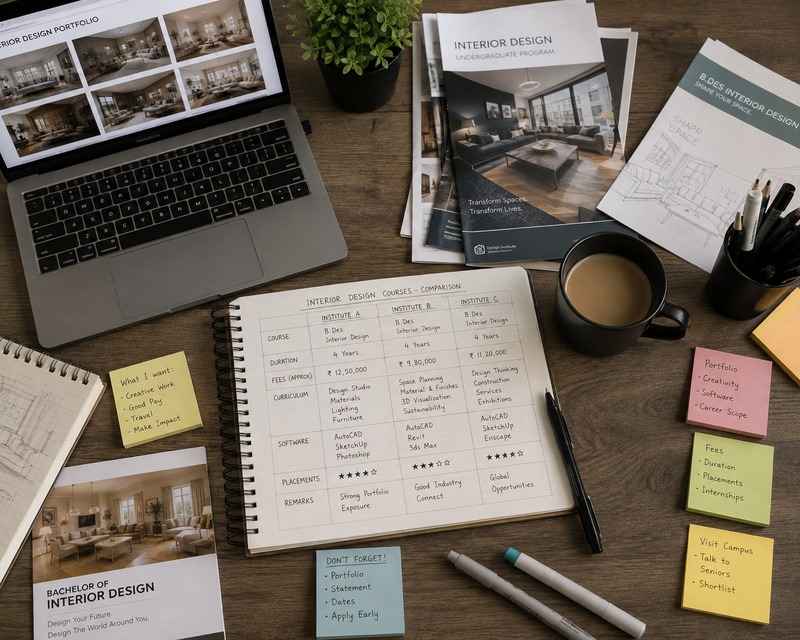
Every stylish home, chic café, and well-planned office you've ever admired was likely shaped by a trained interior designer. As India's cities expand and homeowners invest more in aesthetics and functionality, the demand for skilled design professionals continues to climb. If you're considering this creative field, the first and most important decision you'll make is choosing the right interior design course in India to build your foundation.
This article breaks down the practical steps to launching a design career — from picking the right interior design institute to understanding whether a 1 year diploma in interior design or a longer program suits your goals better.
Step 1: Understand What the Field Actually Involves
Interior design isn't just about picking paint colours and furniture. It's a blend of art, science, and client management. Professionals in this field work on:
Space planning and layout optimization
Material selection, textures, and finishes
Lighting design and acoustics
Sustainable and eco-conscious design practices
Vastu-compliant planning (especially relevant in the Indian market)
Budgeting, vendor coordination, and project timelines
Knowing this scope helps you evaluate whether a short interior design course or a more extensive program matches the depth of skills you want to gain.
Step 2: Decide Between a Diploma, Certificate, or Degree
Not every aspiring designer needs a four-year degree. Here's how the common options compare:
Short-Term Certificate (3–6 months): Best for hobbyists or those testing their interest before committing further.
1 Year Diploma in Interior Design: A popular middle-ground option — intensive enough to cover design fundamentals, software tools, and portfolio-building, without the long time commitment of a full degree.
2–3 Year Advanced Diploma: Offers deeper specialization in areas like commercial design, furniture design, or architectural detailing.
Bachelor's Degree (B.Des): Ideal for those who want an in-depth, research-driven education with strong theoretical grounding.
For working professionals or students eager to enter the job market quickly, the 1 year diploma in interior design consistently stands out as the most time-efficient route into the industry.
Step 3: Research and Shortlist the Right Institute
Not all training centers offer the same quality of education. When comparing an interior design institute, look beyond the brochure and consider:
Curriculum depth — does it cover both manual sketching and digital tools like AutoCAD, SketchUp, and 3ds Max?
Studio infrastructure — access to material libraries, model-making labs, and design software licenses
Industry connections — tie-ups with real estate developers, architecture firms, and furniture manufacturers for internships
Placement track record — ask for verifiable placement data, not just claims
Mentorship — faculty who are practicing designers bring real project insight into the classroom
A quick campus visit or a conversation with current students can reveal far more than a website ever will.
Step 4: Build Practical Skills Alongside Theory
Regardless of which interior design course you choose, prioritize programs that emphasize hands-on learning. Look for coursework that includes:
Live client projects or simulated design briefs
Site visits to under-construction or completed properties
Portfolio development workshops
Software certification in industry-standard tools
Guest lectures or masterclasses from established designers
A strong portfolio, built during your training, often matters more to employers than the length of the course itself.
Step 5: Plan Your Career Path After Graduation
Once you complete your training, several career directions open up:
In-house Designer at architecture or design firms
Freelance Consultant working directly with homeowners
Retail or Visual Merchandiser for furniture and lifestyle brands
Set and Production Designer for film, TV, or events
Design Entrepreneur starting an independent studio
Many graduates also choose to specialize further — in sustainable design, luxury interiors, or hospitality projects — as they gain experience.
Frequently Asked Questions
Q1. Is it necessary to have an art background before joining an interior design course? No. While a creative interest helps, most institutes teach design fundamentals from scratch, making the course accessible to students from any academic background.
Q2. How is a 1 year diploma in interior design different from a certificate course? A diploma program is more comprehensive, covering technical software training, live projects, and portfolio development, whereas certificate courses are shorter and more introductory in nature.
Q3. Do interior design institutes in India offer placement assistance? Many reputed institutes provide placement support through industry partnerships, though the strength of this network varies, so it's worth verifying before enrolling.
Q4. Can I specialize in a specific type of design after a general interior design course? Yes, most designers choose a specialization — such as residential, commercial, or hospitality design — after building a foundation through their initial coursework.
Conclusion
Building a career in design starts with informed choices — from selecting the right interior design course in India to enrolling in a reputed interior design institute that offers real industry exposure. For those seeking a fast yet thorough entry into the field, a 1 year diploma in interior design remains one of the smartest, most practical investments you can make in your creative future.
Comments
No comments yet. Be the first to comment!